Tim Cook and the Power of Supply Chain Innovation
How Apple's Supply Chain Genius Offers a Blueprint for Hollywood's AI Transformation
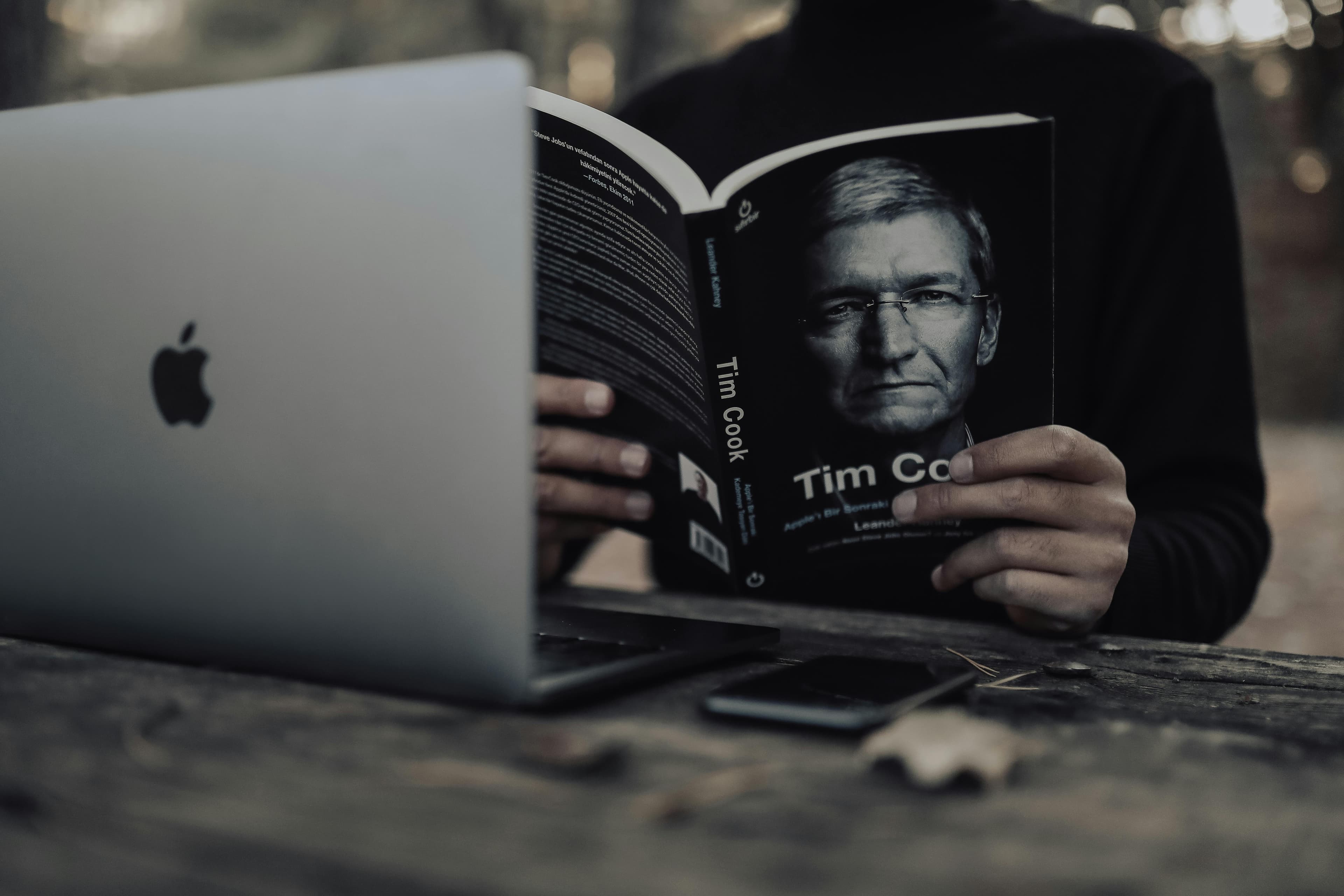
Tim Cook is one of the most successful CEOs in the history of business, having led Apple through the creation of $3 trillion in market cap, growing it over 10x since he permanently took the helm in August 2011. He has also demonstrated notable leadership in key areas like sustainability, worker safety, and privacy. Nonetheless, his most profound impact might well be his success at supply chain management, which made Tim’s other achievements possible.
An Engineer’s Path to Leadership
Tim graduated from Auburn University with a BS in Industrial Engineering. Shortly after graduating, he took a job at IBM, becoming director of fulfillment in North America within 5 years. Where did he expend his energies? On a commoditized, largely overlooked corner of the PC business… supply chain management. It was deemed a boring and unsexy side of the business, where the ability to innovate and create new value was not widely appreciated. Nonetheless, Tim focused, took meaningful strides in supply chain science, and ultimately his craft caught Steve Jobs’ eye.
The Apple Transformation
In 1997, Steve Jobs made a pivotal decision: recruiting Tim from Compaq, a mere 6 months after Tim started there. By most conventional measures, Tim’s move was a terrible decision when he made it. Apple was still troubled as a company.
Much of that trouble had to do with managing excess inventory and optimizing cash flow. And that’s where Steve enlisted Tim to weave his magic. Tim did so right out of the gate.
Back when Cook joined Apple, forecasting demand and improving supply chains wasn’t cool in the same way that creating candy-colored computers was cool. No one was lining up to make Apple’s operational overhaul the cover story on Fortune or Wired, and to the average customer. In the seven months after he started work at Apple, thanks to Cook’s achievements slashing inventory turnover from thirty days to six, the company’s inventory stock was reduced from $400 million of worth of unsold Macs down to just $78 million.
Leonard Kahney, “Tim Cook: The Genius Who Took Apple to the Next Level”
Supply Chain at a Product Company
Stating the obvious, Apple is fundamentally a product company, and Tim operated amid Steve Jobs, Jony Ive and Tony Fadell. And yet, Tim’s innovations in supply chain and operational improvements were key to Apple’s success. Tim’s supply chain evolution, cash flow improvements and operating optimizations fundamentally made production and profit possible from ground-breaking products like iPod and iPhone. He created new business leverage.
And, Tim’s contribution and craft were meaningful enough to make him Steve’s chosen successor. At Apple. A product company to the core.
Lessons for the Entertainment Industry
I can’t help but observe that the major studios are similar to Apple. The studios are defined by the creatives. Studio executives are unquestionably the engines that produce incredible storytelling and drive consumer delight.
But, taking a lesson from Tim, the means by which that content gets to consumers (aka the supply chain) bears real focus. Media industry leaders can leverage supply chain innovation as a differentiating, enabling asset. That is undoubtedly true in a world where global streaming services and true global distribution have established themselves. It is also particularly true with the acceleration of AI.
Just as Jony Ive’s industrial design team crafted great products, Cook’s team figured out how to produce them in vast quantities—and have them delivered to stores all around the world.
Leonard Kahney, “Tim Cook: The Genius Who Took Apple to the Next Level”
Redefining Product Innovation
It's time to view supply chain excellence itself as a product, one that deserves a seat at the table alongside traditional creative arts and technical innovation. Tim Cook's journey from supply chain specialist to transformative CEO demonstrates how operational innovation can become a cornerstone of company success.
By elevating the "unsexy" into the extraordinary, Cook not only transformed Apple's operations but also redefined what it means to be a product visionary in the modern business landscape. Perhaps we should be looking at Apple’s supply chain as one of Apple’s major products. Tim deserves his seat at the product table alongside Steve, Jony and Tony.
Hollywood And Supply in the AI Era
As for Hollywood, there has never been a time more important than today to focus on the supply chain. AI promises massive new leverage in content operations and library leverage. Reinventing the content supply chain for the AI era is necessary to realize that promise.
The studios that unlock that early will enjoy new advantage and secure the next generation of monetization opportunities. Studio executives should be actively seeking out the players that are focused on this transformation, those with unique insight and vision.
References
-
Kahney, Leander. Tim Cook: The Genius Who Took Apple to the Next Level. Penguin Books Limited, 2019.